
At a glance
Georgia Tech is hiring multiple open-rank tenure-track faculty in ecology and coastal processes. This guide explains what the search signals and how to prepare a strong application.

A postdoc I've known since her first field season in a Georgia salt marsh sent me a link last week with one line: 'Should I actually apply to all five of these?' The link was Georgia Tech's open-rank search in ecology and coastal processes. She is a marsh ecologist with three first-author papers, a pending proposal, and a suspicion that the job market is broken. Her question wasn't really about the number five.
It was about rank. Open-rank advertisements invite everyone from new PhDs to full professors, and that breadth often reads as no one's job rather than everyone's. Early in my consulting practice I would have told her to skip cluster ads if she couldn't tell where she'd land. I've changed that view, and this search is a fair place to say why.
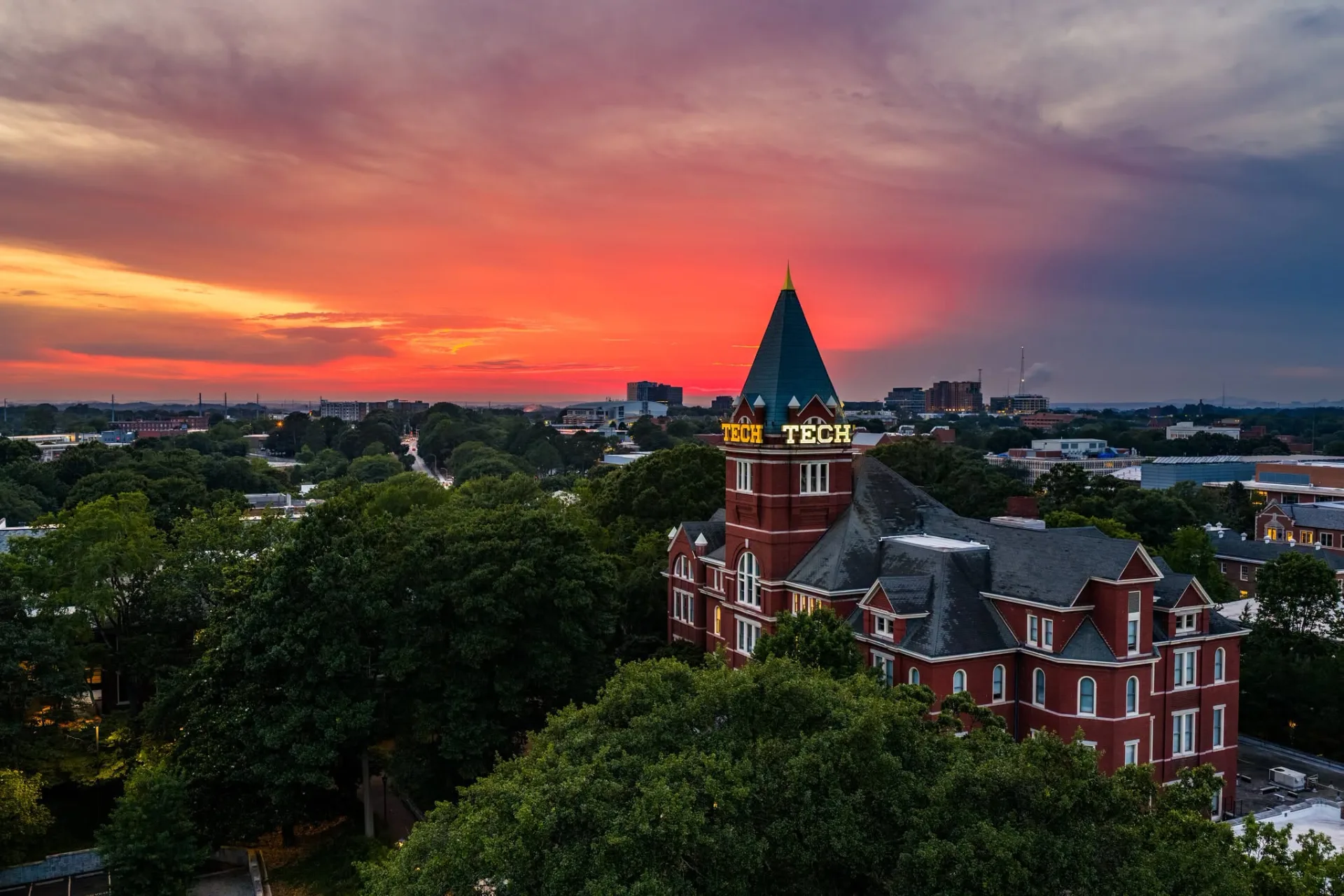
Georgia Tech, a public R1 university in Atlanta, has posted multiple tenure-track faculty positions under one advertisement, with rank open from assistant through full professor. The theme is ecology and coastal processes, not a single department. Cluster hires like this are usually built to do more than fill lines; they're built to assemble a group that can speak to a problem from different angles.
Open-rank means the search committee can recommend a hire at assistant, associate, or full professor depending on the candidate's record. That doesn't mean the committee has no preferences. It means they've protected the option to appoint an early-career researcher or a senior person if the fit is right. For a postdoc, that's not an invitation to undersell yourself. For an associate professor, it's a rare opening to move laterally without waiting for a named chair.
The coastal pieces matter just as much as the rank. Georgia's coast runs from Tybee Island south to Cumberland Island, a relatively short stretch of barrier islands, salt marsh, tidal creeks, and working waterfronts. It absorbs pressure from sea-level rise, storm surge, development, and marsh loss. A cluster built around ecology and coastal processes is not a broad biology search; it's a search for people who can connect living systems to the physical behavior of a coastline.
Why This Search Reads as a Coastal, Not Just an Academic, Fit
Coastal ecology in the South Atlantic has long institutional memory. The Georgia Coastal Ecosystems Long Term Ecological Research program, based around Sapelo Island, has tracked marsh plants, water chemistry, and sediment movement for more than two decades. A search phrased the way Georgia Tech phrased it is asking applicants to be legible to that conversation.
Physical coastal processes add a second layer. The National Oceanic and Atmospheric Administration's coastal resilience tools and sea-level rise assessments shape how Georgia counties, state agencies, and utilities plan for high-tide flooding and stormwater. A candidate who can discuss sediment transport and marsh elevation together will read differently than one who treats ecology and hydrodynamics as separate worlds.
Hurricane Debby's August 2024 path flooded parts of Georgia's coast not through catastrophic surge but through days of rain and slow drainage. That is the kind of nuance search committees listen for: it separates candidates who have worked in the region's hazard environment from those who have only read the headline.
Start with the tenure home, not the title
Before she applied, I asked my mentee to do what I now ask every client to do with a cluster hire: read the posting not for the words but for the structure behind the words. Open-rank cluster ads often carry some internal infrastructure, such as shared lab space, seed funding, or a cross-school center. If the posting doesn't specify, ask in the preliminary interview. The full announcement is posted on Academic Jobs, and applications go through the university's portal.
Once the application is live, the single most useful document is the research statement, and the most common mistake is writing it as a summary rather than a case. This is the same problem I've written about for academic CVs: committees read for legibility, not volume. A CV that lists a coastal hydrology paper, a marsh mesocosm experiment, and a data-modeling collaboration without connecting them will leave a committee with eleven minutes to imagine the next five years. A research statement that names the coastal question and shows which methods answer it makes the file easier to advocate for.
What would your file look like to someone with eleven minutes and forty others to review? If the first page doesn't make clear which coastal process you study and why Georgia Tech's cluster strengthens that work, the rest of the file is doing too much work.
- Which school or department holds the tenure home, and whether promotion letters will come from one unit or several
- What the most recent three hires in the cluster received for start-up support and teaching load
- Who is named as the contact and whether they respond to candidate questions before the first interview
- How the search defines coastal processes: if it's only beach morphology, a marsh ecologist should adjust the pitch accordingly
What different ranks should do differently
If you're within four years of your PhD, the open rank is not an excuse to apply as an assistant professor without showing trajectory. A search committee comparing you with a mid-career candidate will look for the same thing in everyone: a research program with enough internal direction to survive a move. Show which data you already hold, which methods you can teach, and which collaborations would start at Georgia Tech rather than from zero.
Mid-career applicants often treat open-rank searches as a lateral move, but the question is persistence. Have you carried a research line through more than one institution or funding cycle? Coastal work is famously slow: marshes accrete, creeks migrate, and datasets become valuable only after repeated sampling. That patience is an asset if the file makes it explicit.
Senior applicants should read the cluster as an opportunity to build an agenda, not to rest one. A full professor hire in this kind of search usually signals a desire for someone who can convene, secure shared infrastructure, and advise junior colleagues across units.
Georgia Tech's human resources pages list current openings and outline faculty recruitment procedures; the academic position itself carries the detailed instructions for materials and submission.
A small step for this month
This month, don't apply to every posting that shares a keyword. Read the full Georgia Tech advertisement, then write one page that maps your three strongest research threads to the coastal question the search names. If the page feels forced, you have your answer; if it feels obvious, start the file. That single page will tell you more than another month of refresh-and-scroll.
- academic-job-market
- tenure-track-faculty
- georgia-tech
- ecology-faculty-jobs
- coastal-processes