
At a glance
James Cook University is hiring a continuing Civil Engineering Lecturer or Senior Lecturer in Townsville, with a geotechnical focus and applications closing 15 November 2026.
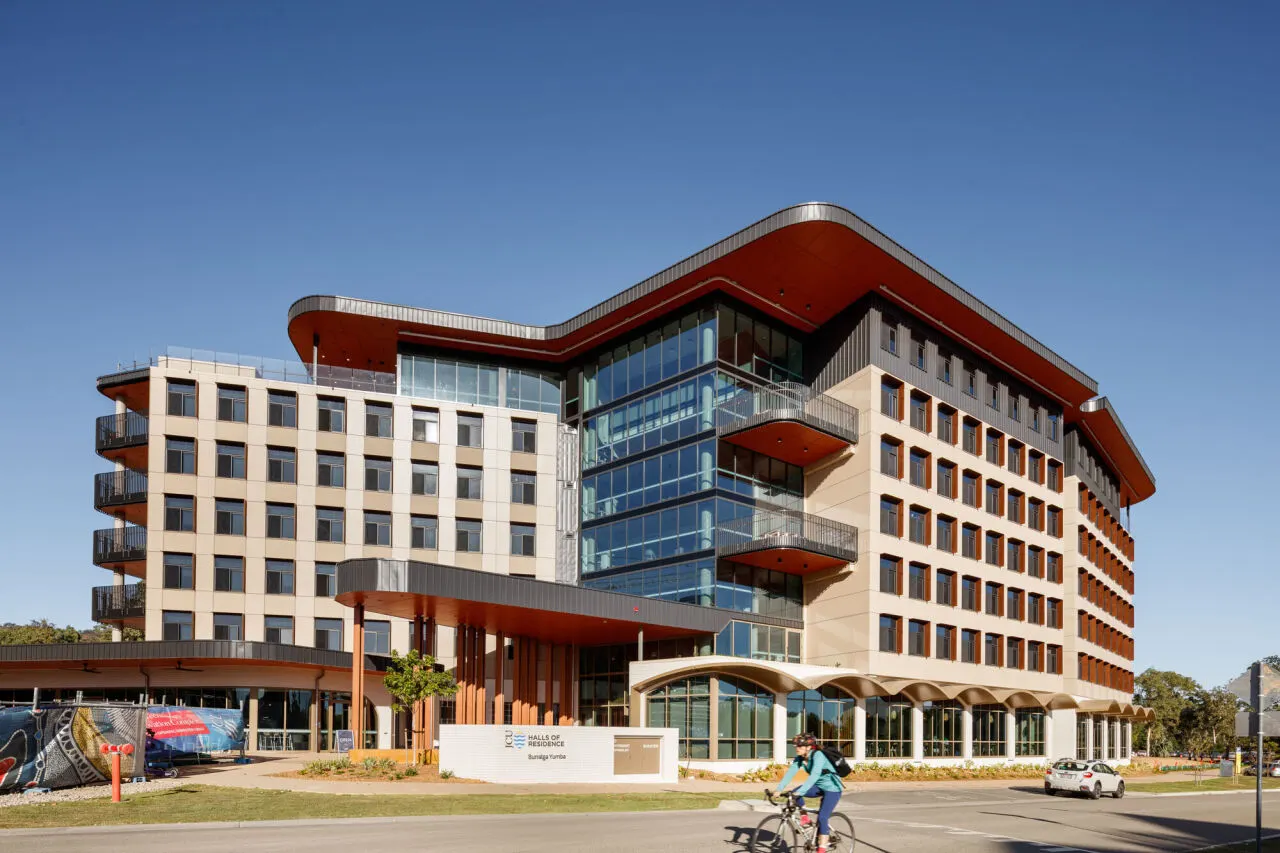
Consider the geotechnical engineer who spent twelve years logging boreholes for a Brisbane consultancy and always meant to teach. The advertisement James Cook University (JCU) has posted for a Lecturer or Senior Lecturer in Civil Engineering is aimed, in part, at precisely that person. The role sits in the College of Science and Engineering on the Bebegu Yumba campus in Townsville, it is a continuing full-time appointment of 36.25 hours a week, and applications close on 15 November 2026 at 11.55pm AEST.
The headline requirements are specific. A PhD in Civil Engineering or a closely related discipline. Expertise in geotechnical engineering, or nearby areas such as soil mechanics, rock mechanics, mining or sustainable infrastructure. A publication record, or the clear beginnings of one, plus the capacity to attract research funding and build links with industry. The pay is set at Academic Level B from $112,810 to $133,110, or Academic Level C from $137,166 to $157,465, with 17 per cent superannuation, five weeks of annual leave, leave loading and flexible work arrangements on top.
The university has already put serious physical capital into its engineering school, and the surrounding region is in the middle of a build that will consume a generation of civil engineers. The question this advertisement is really asking is smaller and sharper: who is willing to come to Townsville and stay.
The role, in concrete terms
Teaching sits inside an Engineers Australia-accredited Bachelor of Engineering (Honours). The civil major is delivered at the Townsville campus and graduates qualify to practise across Australia and in a string of international jurisdictions. A new appointee can expect to teach foundational civil subjects such as structural design, geotechnical engineering, hydraulics, construction materials and transport, depending on specialty. The advertisement asks for depth in geotechnics. The panel will still want breadth, not a narrow lane.
Research runs in parallel. The appointee is expected to build a program that addresses challenges in Northern Australia and the wider tropical world, with the advertisement naming mining, critical minerals, sustainable infrastructure and emerging technologies as likely partners. The geotechnical specialist who can connect soil behaviour to those sectors has a natural advantage. Honours, Masters and Higher Degree Research supervision are part of the role, as is the quieter service load every continuing academic carries: accreditation submissions, curriculum review, industry liaison and student projects.
Two pay bands and one hiring decision
In Australian higher education, a Lecturer is Academic Level B and a Senior Lecturer is Academic Level C. The bands differ by about $24,000 at the entry point, but the title carries more than money. Level B is an early-to-mid-career continuing appointment: teach, publish, begin to win smaller grants. Level C expects a more independent research program, higher-degree supervision and a visible disciplinary standing.
An advertisement that spans both levels is a deliberate choice by a regional university. It keeps the search open to a promising postdoctoral researcher ready for a continuing contract, and to a senior industry engineer with fifteen years of design and delivery experience who now wants to teach. Judged honestly, both can do the job. Committees can move a strong applicant between bands, but only if the documents make the level claim clearly.
What Townsville's project pipeline means for teaching and research
Townsville is the largest city in Northern Australia. Its port shifts around 10 million tonnes of cargo a year, and the mineral province to its west is finally being connected to the grid through CopperString 2032, the transmission build Powerlink is delivering from Townsville toward Mount Isa. The Queensland government has described its commitment as a record $3.2 billion investment, with the eastern link due for completion in 2032 and early works underway at the Flinders Substation near Hughenden.
That project pipeline changes what it means to teach civil engineering in Townsville. Students are more likely than the capital-city cohort to end up in regional practice, local government or site-based roles on transmission corridors, flood mitigation and port infrastructure. A geotechnical teacher who can explain expansive clays, colluvial slopes and what happens when a cyclone saturates a cut face is teaching something the region will use within a decade.
Research follows the same problems. Water security, coastal resilience and the behaviour of buildings under extreme wind loads have long histories at JCU. The university's Cyclone Testing Station has been investigating wind damage and informing building codes since the 1970s, and it operates inside the same engineering ecosystem this new civil hire would join.
The skills shortage that shapes this hire
Civil engineering has been on Australia's skills shortage lists for years, and the figures have not softened. Engineers Australia reported that engineers were the occupation most in shortage across local government, with 40.3 per cent of councils carrying vacancies and 60.3 per cent of regional councils affected. More than a quarter of councils said they had recruited under-skilled applicants to fill engineering roles.
Infrastructure Australia's market capacity reporting has pointed the same way, noting that roughly 25,000 engineers were expected to retire between 2021 and 2026. The effect on universities is direct. The same shortage that makes civil engineers valuable in industry makes them scarce and expensive for academia. A mid-career engineer can earn strong private-sector money without a PhD, while a lectureship demands a doctorate, publications and a teaching load. Regional universities feel the sharper edge because they are recruiting to Townsville, not to a capital city, and the applicant pool must include people willing to relocate.
What a strong application will have to show
Committees at regional universities read the response to selection criteria before they read the publication list. The advertisement lists capabilities in teaching, research, funding attraction, supervision and collaboration. A shortlisting panel will return to those same criteria when it compares two otherwise similar files. Applicants who reach interview tend to have mapped their CV and their criteria response to the same language, with one named example instead of four vague ones.
The Brisbane geotechnical engineer I opened with may not call herself an academic yet. Her criteria response is where she closes that gap: the honours students she has mentored, the consulting reports that answer a research question, the single geotechnical failure investigation that would become a paper. Chartered engineers undervalue themselves in academic hiring because they do not see their project record as scholarship. A panel that has advertised from Level B to Level C is asking them to make that translation.
Anyone preparing documents for this role would benefit from the practical breakdown in our guide to becoming a university lecturer in Australia, which walks through levels, expectations and application documents without the generic padding.
Life in Townsville and the trade-offs
There is a quality-of-life case for Townsville and it can be stated without adjectives. ABS-derived regional profiles place median weekly rent around $300 and median weekly mortgage payments around $350, well below the capital-city benchmarks. The city is close to the Great Barrier Reef and Magnetic Island, and the advertisement mentions more than 300 days of sunshine a year. Those things matter when a relocation is being weighed against a continuing role.
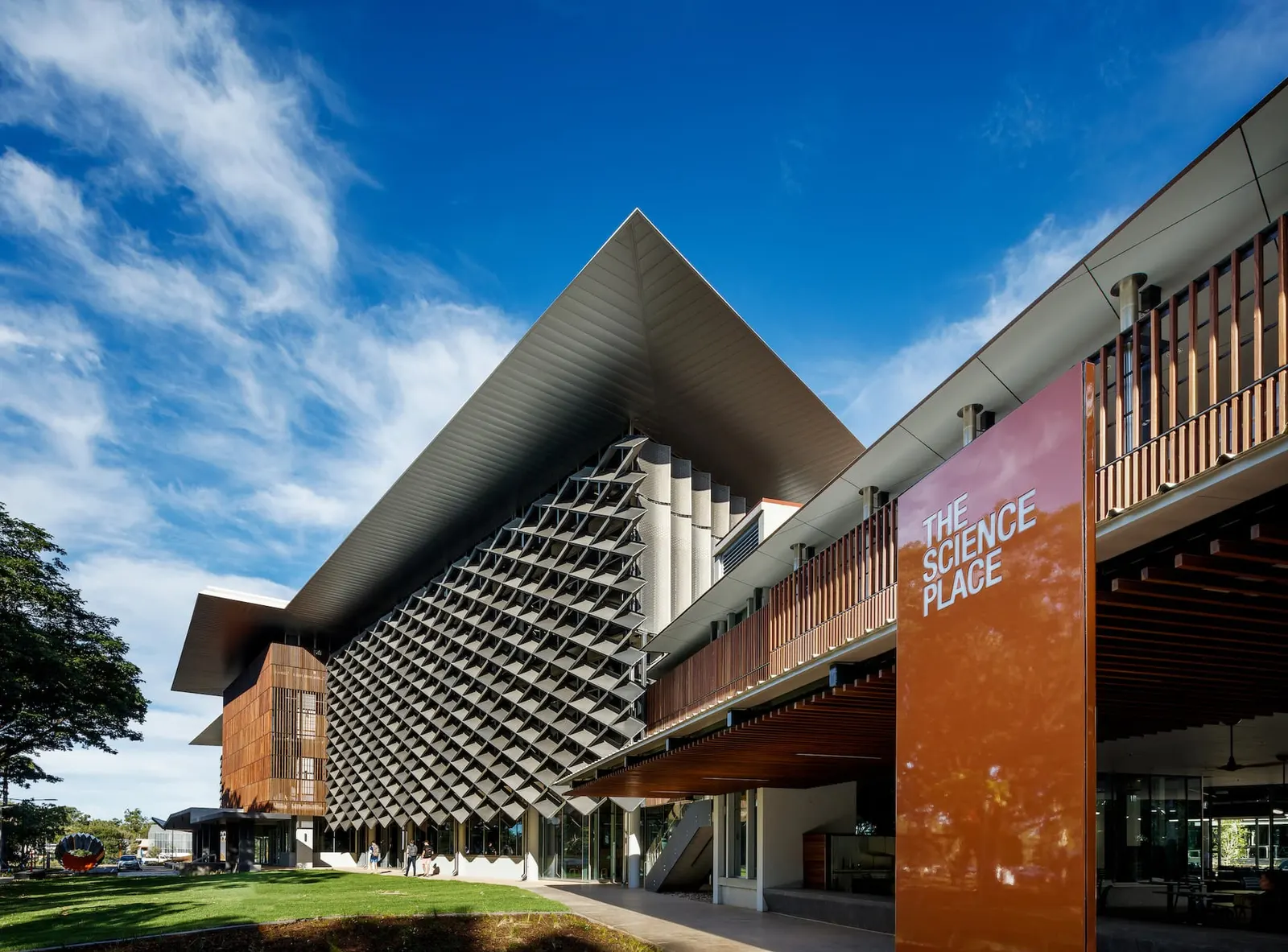
JCU has put physical capital behind its engineering ambition. The $100 million Engineering and Innovation Place opened to students in February 2024 at the Bebegu Yumba campus, with 23 lab spaces, a reaction floor for structural testing and a 13.25-metre flume for studying coastal flows and erosion. The Soils Lab does exactly what the new geotechnical hire will teach: it tests density, strength and stability, the properties that determine whether a foundation holds.
And yet the building is a commitment, not a conclusion. The harder-ledger test is whether JCU can staff the discipline well enough to keep the laboratories, the accreditation and the regional partnerships running. The advertisement is a direct measure of that test.
What happens next
Applications close on 15 November 2026 at 11.55pm AEST. The application runs through the JCU careers portal, not through a third-party recruiter. The university will want a current CV, a cover letter, and a statement addressing the selection criteria. The advertisement names Senior Lecturer Mahmood Sadat Noori for enquiries about the role.
The strongest candidates will have decided, before they write, which level they are arguing for and why. The role can be occupied well by an early-career researcher or by a chartered engineer making the turn into teaching. It cannot be occupied well by someone who treats Townsville as a place to tolerate for a year.
If you want the continuing appointment, apply with your level named, your examples named, and your reason for wanting to work in Northern Australia named. Then measure the outcome by what you learn from the university in return.
- civil-engineering
- james-cook-university
- geotechnical-engineering
- university-jobs-australia
- lecturer-jobs