
At a glance
Explore the new clinical faculty position at University of Idaho's SHAMP and CMHC, detailing responsibilities, qualifications, and its role in addressing the college mental health crisis.

The Escalating Need for Mental Health Support in American Colleges
In recent years, colleges and universities across the United States have faced an unprecedented surge in student mental health challenges. Data from various studies indicate that more than 60 percent of college students experience at least one mental health issue during the academic year, with anxiety and depression topping the list. This crisis has been exacerbated by factors such as the lingering effects of the COVID-19 pandemic, academic pressures, financial stresses, and social isolation. Institutions are responding by expanding their counseling services and integrating mental health expertise directly into academic programs.
University counseling centers, once seen as peripheral support services, are now central to student success and retention strategies. Demand for qualified professionals who can provide both direct clinical care and academic training has skyrocketed. Salaries for roles in this space reflect the urgency, often starting above $85,000 for experienced clinicians with teaching duties. This environment sets the stage for innovative positions that blend clinical practice with faculty responsibilities, ensuring that future psychologists are trained in real-world college settings.
University of Idaho's Strategic Expansion in Health Professions Education
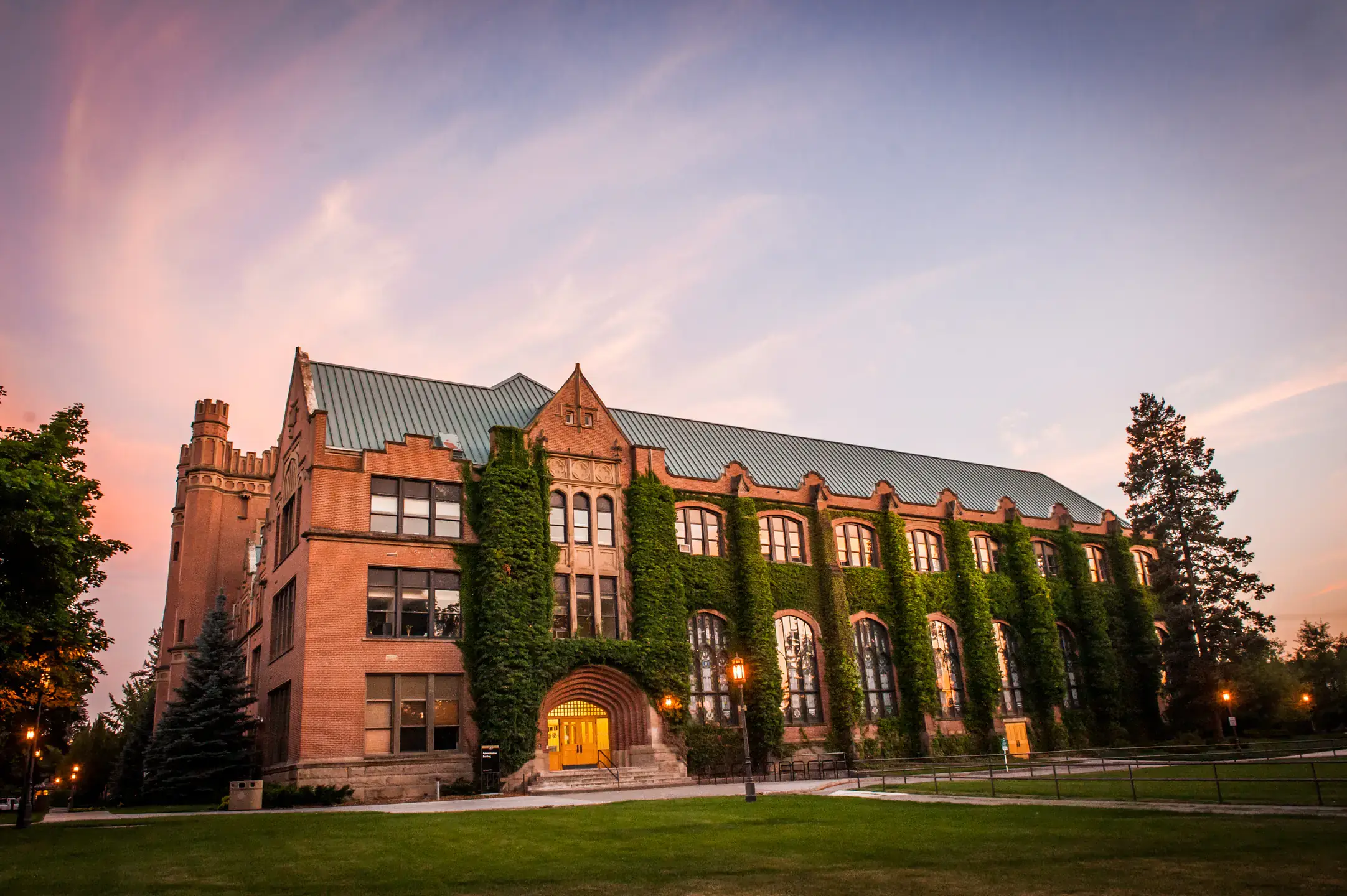
The University of Idaho, located in the picturesque town of Moscow, Idaho, has taken bold steps to address regional healthcare shortages, particularly in mental health. In 2024, the institution established the School of Health and Medical Professions, known as SHAMP, as a hub for graduate-level training in critical areas like clinical psychology. SHAMP's mission focuses on developing a robust academic healthcare workforce tailored to Idaho's needs, partnering with local communities and clinical sites.
Central to this initiative is the new Doctor of Psychology (PsyD) program, designed to produce practitioner-scholars equipped for applied clinical work. The program's emphasis on evidence-based interventions and psychological assessments aligns with American Psychological Association standards. By housing the Department of Clinical Medicine within SHAMP, the university fosters interdisciplinary collaboration, preparing students for the complexities of modern healthcare delivery in educational settings.
Unpacking the Joint SHAMP/CMHC Clinical Faculty Position
The recently posted Clinical Faculty position represents a prime example of SHAMP's forward-thinking approach. This full-time, non-tenure-track role at the Assistant Professor rank is a 1.0 FTE joint appointment, split equally between SHAMP's Department of Clinical Medicine and the university's Counseling and Mental Health Center (CMHC). Anticipated to start around May 2026, it offers a competitive salary beginning at $86,500 annually, scaling with experience and credentials.
What makes this opportunity stand out is its dual focus: 50 percent dedicated to faculty duties in the PsyD program, including teaching, advising, and scholarship, and the other 50 percent to hands-on clinical services at the CMHC. Faculty in this role report dually—to the Department Head for academic matters and the CMHC Director for clinical operations—ensuring balanced evaluation and support. This structure not only meets APA core faculty requirements but also immerses professionals in the dynamic intersection of education and therapy.
Core Responsibilities: From Classroom to Counseling Room
Daily duties in this clinical faculty role are diverse and impactful. On the academic side, expect to deliver graduate-level instruction in areas like evidence-based psychological interventions and assessment techniques. Supervising PsyD students through practicum experiences, mentoring dissertation work, and contributing to program accreditation efforts are key. Scholarship involves creative activities such as presentations, publications, or program evaluations, allocated at about five percent of time.
Clinically, the position demands direct service delivery to University of Idaho students, emphasizing brief therapy models, crisis intervention, and outreach. Time breakdown includes 40 percent teaching and advising, 50 percent outreach and extension (primarily clinical), and five percent each for scholarship and service. This balance allows faculty to model integrated professional practice for trainees while addressing immediate campus needs.
- Teach core PsyD courses on interventions and diagnostics
- Provide individual and group therapy at CMHC
- Conduct psychological assessments for conditions like ADHD and autism spectrum disorders
- Supervise clinical trainees and advise graduate students
- Engage in outreach programs and crisis response
- Contribute to scholarly projects and committee service
Essential Qualifications for Aspiring Candidates
To qualify, applicants must hold a doctoral degree in clinical psychology or a closely related field from an accredited program. Hands-on experience is paramount: at least one year of supervised practice in evidence-based therapies, proficiency in standardized psychological assessments, and graduate-level teaching or supervision. Direct clinical work with college-age populations, strong communication skills, and a track record of interdisciplinary collaboration are non-negotiable.
Preferred attributes elevate competitiveness. An active Idaho psychologist license at hire is ideal, alongside experience in university counseling centers, crisis management, and trainee supervision. Familiarity with federal regulations like FERPA and HIPAA, plus expertise in evaluating learning disorders, further strengthens applications. The university prioritizes those versed in APA accreditation and competency-based training.
Why Pursue a Clinical Faculty Career in University Settings?
Beyond the specifics of this role, clinical faculty positions in higher education offer unique advantages. They provide job stability amid national shortages of mental health providers, with projected growth far exceeding average occupations. Professionals enjoy academic perks like promotion tracks to associate and full clinical professor ranks, research opportunities, and collaborative environments.
Working directly with students allows for meaningful impact—helping young adults navigate identity formation, academic stress, and life transitions. Integrated models like SHAMP/CMHC foster work-life balance through varied duties, preventing burnout common in pure clinical roles. Compensation packages often include benefits such as health insurance, retirement contributions, and professional development funds.
In the broader US landscape, universities from coast to coast are ramping up hires. For instance, large public institutions report doubling counseling staff over the past decade, driven by retention data linking mental health support to graduation rates.
Navigating the Application Process and Timeline
Interested candidates should prepare a comprehensive packet: curriculum vitae, cover letter, list of references, and a statement of teaching philosophy. Supplemental questions cover how you learned of the position and any referrals. Applications go through the university's online portal, with priority review for submissions before June 6, 2026. The posting remains open until filled, and finalists undergo background checks.
To stand out, tailor materials to highlight college mental health experience and PsyD training alignment. Networking via professional associations or attending university open forums can provide edges. Moscow, Idaho, offers an affordable, vibrant community with outdoor recreation, enhancing quality of life for faculty and families.
Broader Trends Shaping Mental Health Roles in Higher Ed
Nationwide, universities are adapting to statistics showing 35 percent of students diagnosed with anxiety and 25 percent with depression. The Healthy Minds Study notes slight improvements in loneliness but persistent high distress levels. In response, counseling centers emphasize brief therapies, telehealth, and embedded clinicians in academic departments.
Hiring trends favor PsyD-trained practitioners over PhDs for their practice focus. Programs like Idaho's PsyD aim to bolster rural mental health pipelines, where shortages are acute—Idaho ranks low in psychologists per capita. Similar initiatives at other land-grant universities underscore a shift toward integrated academic-clinical models.

Real-World Impacts and Success Stories from Similar Programs
At institutions with established joint faculty-clinician roles, outcomes are promising. Graduates from these programs report higher licensure pass rates and seamless transitions to university counseling jobs. Faculty contribute to campus-wide initiatives, like suicide prevention workshops, reducing help-seeking barriers.
One example involves a Midwestern university where clinical faculty led a 20 percent drop in emergency mental health transports through proactive outreach. Stakeholder perspectives—from administrators praising retention boosts to students valuing accessible care—highlight the role's value. In Idaho, SHAMP's launch addresses a projected need for 500 additional psychologists by 2030.
Future Outlook: A Bright Path for Clinical Educators
Looking ahead, demand for clinical faculty in university mental health will intensify as enrollment rebounds and awareness grows. Technological integrations like AI-assisted triage and virtual reality therapy training will evolve roles, requiring adaptable professionals. For those eyeing this SHAMP/CMHC position, it positions you at the forefront of practitioner education amid Idaho's healthcare transformation.
Actionable insights include pursuing licensure early, building supervision portfolios, and engaging in conference presentations. This opportunity not only advances personal careers but fortifies campus wellness infrastructures essential for the next generation.
- higher-education-mental-health
- student-wellness
- university-of-idaho
- clinical-faculty-jobs
- shamp-cmhc