
At a glance
Bond University is recruiting multiple First Nations simulated participants for casual, flexible roles at its Robina campus on the Gold Coast.
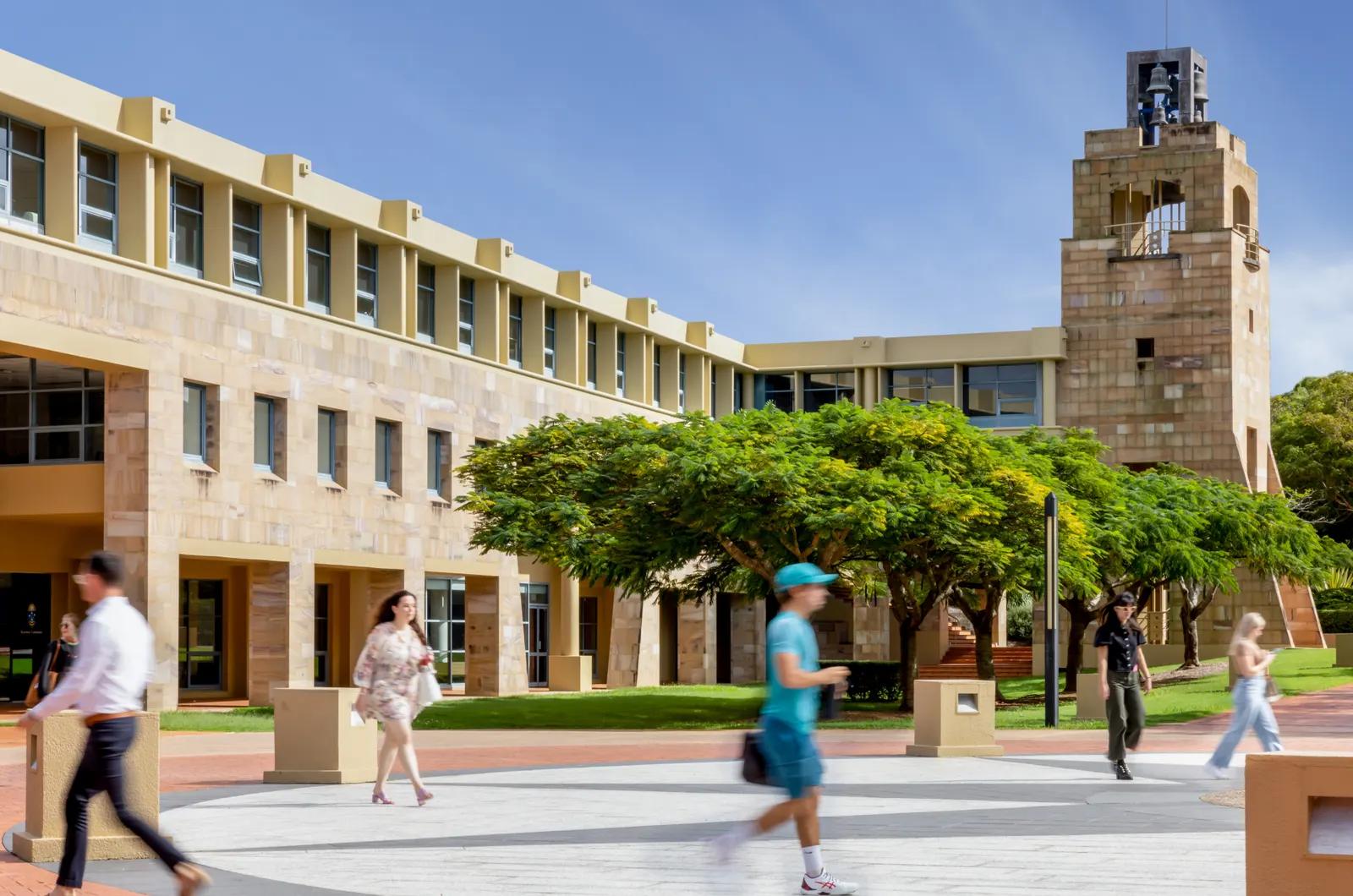
Bond University is advertising multiple casual positions for First Nations simulated participants at its Robina campus on the Gold Coast, at $49.70 an hour including a 25 per cent casual loading, plus 12 per cent superannuation. Applications close at 11:59 pm on 31 December 2026. If the title means nothing to you yet, the short version is this: health students need a real person to practise on before they ever sit opposite a real patient, and that person is you.
A simulated participant — the role also goes by simulated patient or standardised patient in some programs — portrays a patient, a family member or a client, depending on the teaching objective. You get a backstory and a set of presenting concerns. You hold the character while a student interviews or examines you, then step out of role and tell the student how the encounter felt from the patient's side of the desk. The feedback, not the acting, is the point.
No teaching qualification is required, and previous experience in simulation is described as 'favourable' rather than essential. The positions sit inside the Faculty of Health Sciences and Medicine, which teaches medicine, physiotherapy, nutrition and dietetics, and occupational therapy in small classes.
The role, the rate and who should apply
A typical booking starts with a briefing. You're told the character's name, their worries, what they're willing to reveal and what they're holding back. Then students take turns interviewing or examining you while a tutor observes. A scenario might ask a student to explain a new medication to a patient whose family has stopped trusting the clinic, or to take a history from someone who has heard the same questions asked badly too many times. After each encounter you give structured feedback: what helped, what landed awkwardly, what you felt while it was happening, and the one thing worth changing next time.
The activities are named for what they teach, such as history taking and physical examination skills. Bond's personalised teaching model leans on small class sizes, and for clinical students that often means a simulated or role-play environment where a skill can be demonstrated and corrected without risk to a real patient.
The rate is the headline figure: $49.70 an hour, already including the 25 per cent casual loading, with 12 per cent superannuation on top. Earlier listings pegged the same work at $48.25 with 11.5 per cent super before the July 2025 increase, so the rate has moved with enterprise and legislated changes rather than staying frozen. The people who do this work well come from everywhere: parents, retirees, artists, community workers and students in unrelated fields. What they share is a willingness to stay in character and an honest, direct style of feedback.
Why the role is reserved for First Nations people
The advertisement describes the positions as an identified role — a genuine occupational qualification authorised under section 14(d) of the Anti-Discrimination Act 1977 — and open only to people who identify as Aboriginal or Torres Strait Islander. Shortlisted applicants are asked to provide a Certificate of Aboriginality or other documentation confirming identity from a recognised community organisation. That restriction exists because the lived experience is the credential. When a health professional sits down with a First Nations patient, the way the conversation unfolds can shape the diagnosis, the treatment plan, the referrals, and whether the patient ever walks back through the door.
The national numbers explain the stakes. Australian Institute of Health and Welfare data for 2020–2022 put life expectancy for First Nations males at 71.9 years against 80.6 for non-Indigenous males, and 75.6 for First Nations females against 83.8 — gaps of 8.8 and 8.1 years. Aboriginal and Torres Strait Islander people also carry roughly 2.3 times the burden of disease of non-Indigenous Australians. AIHW reporting describes the life-expectancy target as improving but not on track.
Bond is not inventing the method. The University of Melbourne has run an Indigenous Simulated Patient Program since 2002, after the Australian Medical Council began requiring medical schools to use the educational expertise of Indigenous people in curricula. In the early Melbourne scenario, a student practises a routine interview and discovers partway through that the patient is Indigenous; a later scenario layers in more complexity, and students are encouraged to ask questions both in and out of character. The program is documented in a 2009 Medical Journal of Australia letter as one element of an integrated Indigenous health curriculum. More recently, the Charles Darwin University Menzies Medical Program has been building its own culturally responsive simulated patient cohort, a topic ANZAHPE ran as a member networking session in September 2026.
The standards that keep the work safe
Portraying a patient can be emotionally taxing, especially when the scenario touches on racism, family complexity or grief. That's why reputable simulated participant programs operate under written standards rather than goodwill. The Association of Standardized Patient Educators, now the Association of SP Educators, published its Standards of Best Practice in 2017 after a multi-year international consensus process.
The standards run across five domains: a safe work environment; case development; training for role portrayal, feedback and assessment; program management; and professional development. The first matters most for the person in the chair. Safe work practices cover screening, briefing, debriefing and clear confidentiality boundaries, so a participant never carries a scenario home alone. The practical upshot for an applicant is that a well-run program trains you before your first booking, briefs you before each scenario, debriefs you after, and treats confidentiality as a hard boundary.
Where the role sits at Bond
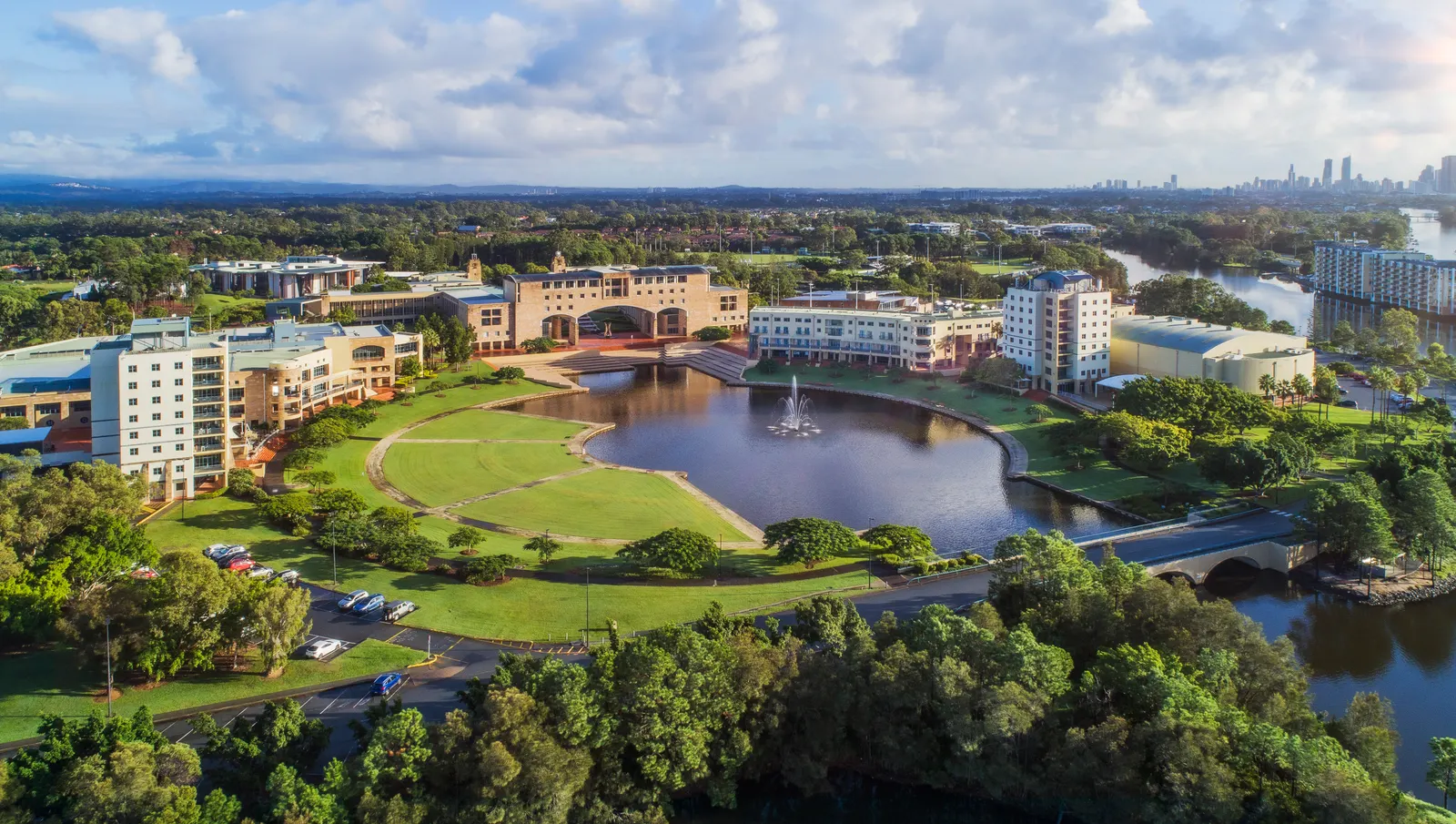
Bond, Australia's first private not-for-profit university, tops the teaching category in the Australian Financial Review's 2024 Best Universities Ranking. Its simulation work is not a side project: the university runs the Bond Translational Simulation Collaborative, an alliance with Gold Coast Health, and its medical students train in a virtual hospital at Robina Hospital alongside live simulations with actors. Professor Victoria Brazil, an emergency physician, directs the simulation program across Bond and Gold Coast Health.
For a First Nations applicant, the institutional context matters too. Bond's Nyombil Indigenous Student Success Centre has operated since 2012, with an Elder in Residence and an Indigenous Staff Network, and the university reports an 87.7 per cent Indigenous student success rate for 2024. That's infrastructure, not a guarantee, but it signals that a First Nations simulated participant is joining a faculty that already has cultural supports around it rather than being its first hire into a vacuum.
How to apply, step by step
The application runs through Bond University's candidate portal. You'll need a current resume and a cover letter that addresses the selection criteria in the position description. The criteria are concrete: identify as Aboriginal or Torres Strait Islander, communicate well, stay in role, give quality feedback as the tutor directs, and build relationships across teams. Address each one plainly rather than padding the letter.
- Open the advertisement on Bond University's jobs portal and read the position description in full.
- Prepare a resume and a cover letter that speaks to each selection criterion.
- Have your Certificate of Aboriginality or community documentation ready, since shortlisting asks for it.
- Register on the candidate portal and submit before 11:59 pm on 31 December 2026.
- Direct questions to Dr Jessica Stokes-Parish, the Simulated Participant Program Academic Lead, at jstokesp@bond.edu.au.
The same role is listed on the AcademicJobs.com board, where you can keep it alongside other advertised positions if you're weighing options. If the day-to-day of a booking is new to you, our earlier explainer walks through what a shift actually feels like.
What this means if you're weighing an application
The base rate is that casual simulated participant work is booked around teaching timetables. That suits people fitting shifts around community obligations, study or caregiving, and it means the volume of work varies across the academic year rather than arriving as a steady paycheque. No experience is required; training happens before your first session.
The exception worth knowing is how quickly panels notice lived experience. A cover letter that states plainly who you are, why the work matters to you, how you give honest feedback, and what you'd bring to a teaching team will read better than one that lists acting credits. Prior simulation experience is 'favourable' — useful, but not the barrier it looks like on paper.
Expect to respect confidentiality: what happens in a teaching session, including the student feedback you observed, stays there. Take one concrete step this week. Open the advertisement, check the closing date against your calendar, and book the half-hour it takes to write the cover letter properly.
- bond-university-jobs
- first-nations-simulated-participants
- simulated-patient-roles-gold-coast
- cultural-safety-health-education
- aboriginal-and-torres-strait-islander-identified-position