

At a glance
Explore the exciting Professor in Engineering opportunity at Université de Sherbrooke under the Impact+ Canada Emerging Leaders Program, focusing on sustainable low-carbon solutions.
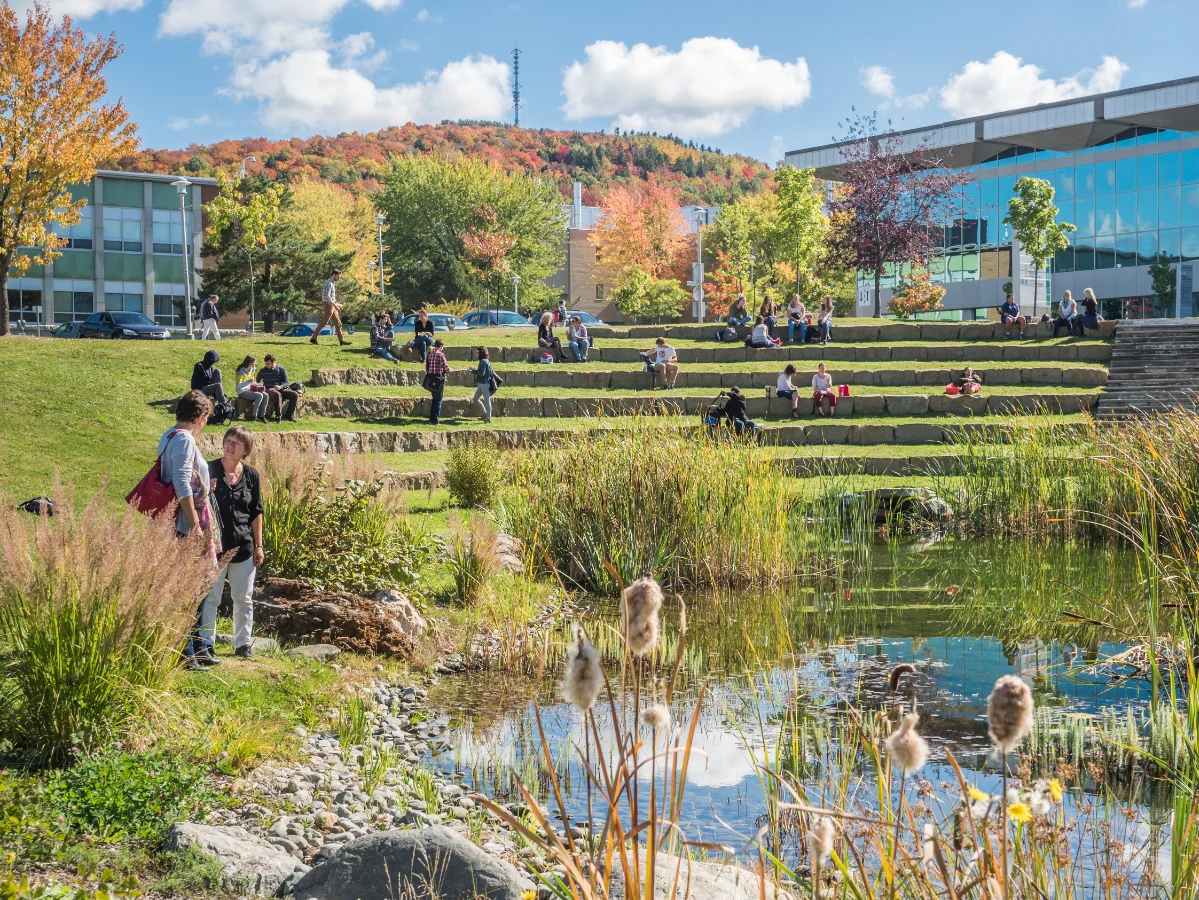
The Canada Impact+ Emerging Leaders Program represents a significant federal investment aimed at strengthening Canada's position as a global leader in research and innovation. Through this initiative, the government is allocating substantial resources to attract talented early-career researchers from around the world to Canadian institutions. One standout opportunity is the Professor in Engineering position at Université de Sherbrooke, focused on advancing low-carbon solutions for buildings and urban environments within the strategic priority area of Environment, Climate Resilience, and the Arctic.
This role offers international researchers the chance to establish an independent research program with dedicated funding and institutional support. It aligns closely with Canada's broader goals of addressing climate change through transformative engineering solutions that enhance building resilience and energy efficiency.
Understanding the Canada Impact+ Emerging Leaders Program
The Impact+ Emerging Leaders component is part of a larger tri-agency effort involving the Canadian Institutes of Health Research, the Natural Sciences and Engineering Research Council, and the Social Sciences and Humanities Research Council. Administered by the Tri-agency Institutional Programs Secretariat, the program provides $100,000 per year for six years to support early-career researchers, with the possibility of a six-year extension at the same funding level. This support enables recipients to build research teams, pursue ambitious projects, and translate discoveries into practical applications that benefit Canada and the global community.
Eligibility centers on researchers based outside Canada at the time of application who are within five years of their first independent research appointment. The program emphasizes multidisciplinary collaboration, partnerships with public and private sectors, and the training of highly qualified personnel. Institutions like Université de Sherbrooke nominate candidates who demonstrate strong potential for high-impact work in government-identified strategic priority areas.
By focusing on environment, climate resilience, and the Arctic, the program supports projects that develop adaptive strategies for a changing climate. This includes innovations in clean technology that can reduce emissions while improving quality of life in built environments across Canada and beyond.
The Specific Opportunity at Université de Sherbrooke
Université de Sherbrooke is actively recruiting for a tenure-track Professor in Engineering position tied to the Impact+ Emerging Leaders Program. The successful candidate will join the Faculty of Engineering and develop research on passive and active low-carbon solutions for new and renovated buildings, operating at both building and city scales. Key areas include energy-efficient heating, ventilation, and air conditioning systems, as well as adaptive approaches that integrate with broader energy networks such as public electricity grids and neighborhood energy loops.
The position requires full-time commitment starting no later than July 1, 2027. Candidates must hold a relevant doctorate or equivalent experience and demonstrate excellence through peer-reviewed publications. Leadership qualities, communication skills, and experience in interdisciplinary research are essential. Additionally, the role involves teaching at undergraduate and graduate levels, supervising students, and contributing to university and community service.
A distinctive requirement is the ability to teach in French or achieve proficiency within two years. Candidates should also be eligible for membership in the Ordre des ingénieurs du Québec or commit to obtaining it promptly. Career interruptions due to parental leave, illness, or other factors are considered in evaluations to promote equity and diversity.
Research Focus: Low-Carbon and Climate-Resilient Buildings
The core research mandate addresses urgent challenges in the building sector, which accounts for a significant portion of global energy consumption and greenhouse gas emissions. The selected professor will explore innovative systems that minimize carbon footprints while enhancing resilience to climate-related events such as extreme temperatures, storms, and shifting weather patterns.
Work may encompass advanced materials, smart controls for HVAC systems, integration of renewable energy sources, and urban-scale planning that optimizes energy flows across districts. These efforts aim to create salutogenic environments—spaces that actively support human health and well-being—while responding to the specific demands of Canadian climates, including northern and Arctic regions.
By fostering collaborations with industry partners, government agencies, and international teams, the research can accelerate the adoption of sustainable practices. This aligns with national priorities for clean technology and resource value chains, ultimately contributing to Canada's net-zero ambitions and economic competitiveness.
Strengths of the Faculty of Engineering at Université de Sherbrooke
The Faculty of Engineering at Université de Sherbrooke stands out for its innovative approach to education and strong ties to industry. It offers 18 degree programs across three cycles, including recent additions in robotics engineering and building engineering. Multidisciplinary teams regularly undertake large-scale design projects that bridge theory and practice, preparing students for real-world challenges.
Researchers benefit from a supportive environment that encourages collaboration across departments and with external partners. The university's reputation for excellence in applied research and its location in Quebec provide access to unique resources, including testing facilities and networks in sustainable construction and energy systems.
Participation in the Impact+ program further enhances these strengths by bringing in fresh perspectives from international talent. This infusion of expertise can catalyze new projects and strengthen the faculty's role in addressing climate challenges through engineering innovation.
Eligibility Criteria and Application Process
Prospective applicants must meet strict criteria to ensure alignment with program objectives. Key requirements include being an early-career researcher with no more than five years of independent research experience (accounting for eligible interruptions), holding a doctoral degree or equivalent, and possessing a strong publication record in peer-reviewed venues.
International candidates currently working and residing outside Canada as of July 5, 2026, are eligible. The application involves submitting materials through the university's portal, with a deadline of August 5, 2026, at 5 p.m. A selection committee evaluates candidates based on their potential to lead transformative research, build teams, and engage partners.
Successful nominees will receive institutional support for preparing formal program documentation. The process emphasizes open recruitment and values diverse experiences, including those from candidates with non-traditional career paths.
- Demonstrated capacity for ambitious, transformative projects in priority areas
- Ability to form and lead exceptional research teams
- Experience or interest in knowledge translation and commercialization
- Strong interpersonal and collaborative skills
- Commitment to equity, diversity, and inclusion principles
Funding, Support, and Career Benefits
The position comes with $100,000 annually for six years through the Impact+ Emerging Leaders funding, plus the standard university salary and benefits package. An extension for another six years is possible upon demonstrated progress, transformative research outcomes, and successful partnerships.
Additional support includes access to infrastructure funding through the Canada Foundation for Innovation, which can cover capital and operating costs for research facilities. The university provides resources for team building, student supervision, and professional development.
Tenure-track status offers long-term stability, while the emphasis on impact encourages recipients to pursue applied outcomes that extend beyond academia. This combination of financial backing, institutional resources, and collaborative opportunities positions the role as an attractive pathway for advancing a research career in Canada.
Broader Implications for Canadian Higher Education and Innovation
Programs like Impact+ play a vital role in bolstering Canada's research ecosystem by drawing global talent to address pressing national challenges. In higher education, such initiatives enhance institutional capacity, foster international collaborations, and enrich training environments for the next generation of researchers and professionals.
The focus on climate resilience in engineering directly supports economic and environmental objectives. Successful projects can lead to new technologies, policies, and business opportunities in the clean tech sector, creating jobs and improving sustainability across industries.
Stakeholders, including universities, government bodies, and industry leaders, view these efforts as essential for maintaining competitiveness in a knowledge-driven economy. By prioritizing early-career international recruits, Canada signals its commitment to diversity and fresh ideas in tackling complex issues like climate adaptation.
Challenges and Considerations for Applicants
Transitioning to a new country and institution involves practical considerations such as relocation, language adaptation, and building local networks. The requirement for French proficiency within two years highlights the importance of cultural integration in Quebec's academic environment.
Applicants should also prepare for the demands of establishing a research program from the ground up, including securing additional grants, recruiting students, and managing partnerships. However, the dedicated funding and mentorship available through the program help mitigate these challenges.
Equity considerations ensure that career interruptions do not disadvantage candidates, promoting a more inclusive selection process. Prospective applicants are encouraged to highlight unique experiences and perspectives in their applications.
Future Outlook and Actionable Insights
The building sector's evolution toward sustainability presents ongoing opportunities for engineering innovation. Researchers entering this field through the Impact+ program can influence policy, drive commercialization, and contribute to resilient communities in Canada and internationally.
For those considering the position, early preparation of application materials, including a detailed research proposal aligned with priority areas, is advisable. Networking with current faculty at Université de Sherbrooke and reviewing related government resources can provide valuable context.
Long-term, the program is expected to yield a critical mass of expertise that strengthens Canada's leadership in climate solutions. This positions participants at the forefront of meaningful change, with lasting impacts on research, education, and societal well-being.

Next Steps for Interested Researchers
Review the full job posting and English PDF version available on the university website for complete details. Prepare a curriculum vitae, cover letter, and research statement that clearly articulate alignment with the program's goals and the specific research focus on low-carbon building solutions.
International candidates should confirm their eligibility based on current location and career stage. Submitting a strong application by the August deadline positions researchers to contribute to impactful work in one of Canada's leading engineering faculties.
This opportunity underscores the value of targeted federal investments in attracting top talent to advance critical priorities like climate resilience through engineering excellence.
- higher-education
- climate-resilience
- engineering
- canada-research
- faculty-positions