

At a glance
QUT is hiring a Technical Officer HVAC Systems across its Gardens Point and Kelvin Grove campuses. We break down the pay, required licences, selection criteria and application process.

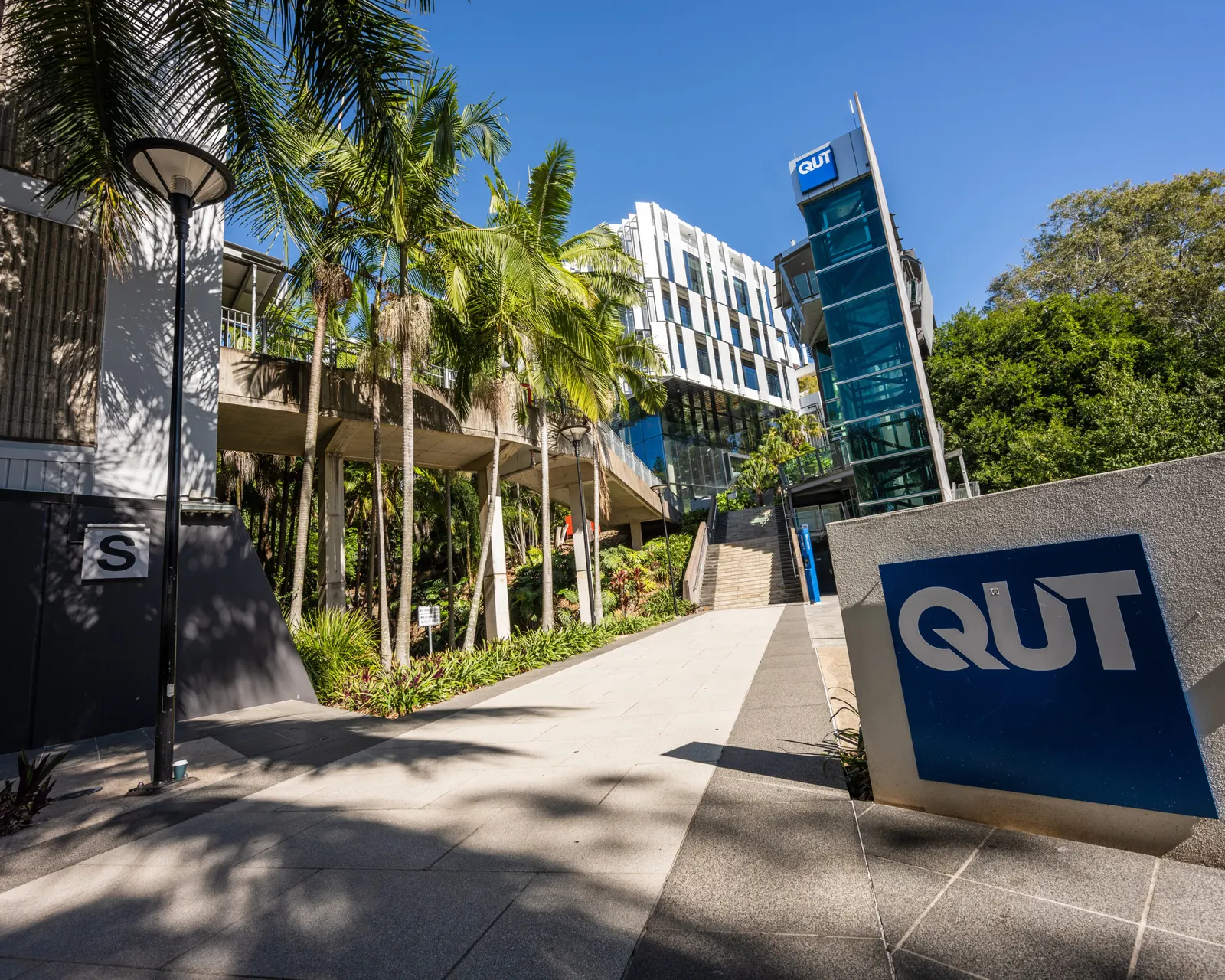
In December 2024, Brisbane’s humidity reached 80 per cent, with dew points of 22 to 24 degrees — more typical of Cairns than the River City. The Australian Energy Market Operator has watched southern Queensland’s underlying daily energy rise as dew points climb; once they push past roughly 20 degrees, people reach for the controls. A university can’t do that casually. QUT’s Gardens Point campus holds 28 buildings across 7.3 hectares, Kelvin Grove has 41 across 20 hectares, and another 17 sit off campus. That’s a lot of chilled water plant, a lot of air handling units, and a lot of occupied lecture theatres where a breakdown during a sticky February afternoon isn’t an inconvenience, it’s a health and safety call.
The university is advertising for a Technical Officer HVAC Systems, reference number 26063, an ongoing full-time post in Facilities Management. The total remuneration sits between $111,341 and $120,557 a year at Higher Education Worker Level 6, which unpacks as a base salary of $94,084 to $101,872 plus 17 per cent superannuation and 17.5 per cent recreation leave loading. It’s not a “ride a van between jobs” role. It exists because a major institution has decided that institutional knowledge of its HVAC systems shouldn’t walk out the door with the last contractor.
What the Technical Officer HVAC Systems actually does
The position reports to the Team Leader, Mechanical Services, and sits inside the Facilities Management Department within the Division of Administrative Services. The core job is coordination of maintenance support across every QUT site. That includes planned preventative and corrective HVAC maintenance done in-house, plus engaging, directing and supervising the external air conditioning suppliers and contractors who handle the rest. The successful candidate will also organise minor works and be willing to join the rotational after-hours on-call roster.
Two details separate this from a standard supervisor job. The first is the demand for hands-on trade work alongside supervision: the person hired will climb ladders, work at heights, do manual handling and walk the plant rooms, not just approve quotes from a desk. The second is the spread of equipment. QUT runs primary and secondary chilled water central plant, major air conditioning systems and Building Management Systems across both main campuses and smaller sites. A candidate who has only ever worked on split systems in a van will struggle. A candidate who has brought a chiller back online after a controls fault, and then written up the contractor who caused the fault in the first place, is exactly who the panel is looking for.
Occasional out-of-hours work is written into the role, handled under the Professional Staff Enterprise Agreement. That’s the base rate; the exception is the periods when a heatwave or a major project turns “occasional” into “every evening for a week.” Expect that and you won’t be surprised.
Pay and benefits compared with the commercial HVAC market
Brisbane HVAC technicians on commercial sites earn a base of roughly $70,000 to $95,000 a year, according to aggregated salary submissions on Glassdoor, with the average around $80,000. Senior operators in hospital settings can see hourly rates above $52, but the base often depends on overtime and site allowances. QUT’s advertised base of $94,084 to $101,872 sits at the top of that commercial range, and the 17 per cent superannuation plus 17.5 per cent leave loading pushes total remuneration noticeably higher still. Add in the Queensland environment — and, as HVACR News reported, the Powering Skills Organisation’s 2025 Workforce Plan forecasting a shortfall of around 42,000 qualified energy trades workers by 2030 — and a secure employer with an enterprise agreement becomes genuinely attractive.
The benefits list is substantive rather than decorative: up to 26 weeks of paid primary carer parental leave, a purchased leave scheme worth up to eight extra weeks a year, salary packaging, study assistance, and access to fitness passport arrangements. QUT also encourages Aboriginal and Torres Strait Islander applicants under its Indigenous Australian employment strategy, with a target of 3.6 per cent Indigenous workforce participation.
Licences are the real gate, not the interview
Before a panel ever reads your responses to the selection criteria, your application has to clear the licence check. The position demands a Queensland restricted electrical licence, a refrigerant handling licence and an HVAC trade licence, plus a current C class driver’s licence. The QBCC mechanical services occupational licence is listed as preferred rather than required, but a candidate who holds one removes the most obvious reason for a panel to pause.
The refrigerant handling licence is the one to check carefully. Under Commonwealth regulations, anyone who handles fluorocarbon refrigerant — essentially any work that could cause it to leak — must hold an Australian Refrigeration Council licence, known as the ARCTick scheme. The ARC administers these licences and audits authorised businesses for compliance; you can check the full licence types and conditions on the ARC licensing page. In Queensland, mechanical services work has its own layer, regulated by the Queensland Building and Construction Commission. Since 1 January 2022, all individual workers performing mechanical services air conditioning and refrigeration work have needed a QBCC occupational licence, as detailed on the QBCC licence page. If your licences live in different states, mutual recognition can work, but the QBCC processes applications in roughly eight weeks under normal load. Don’t wait until the day before a closing date to discover your refresher unit has lapsed.
Beyond licences, the panel has asked for demonstrated knowledge of HVAC Building Management Systems. That means naming platforms and faults, not saying “experienced with controls.” If you’ve worked with Niagara, Schneider, Siemens, Johnson Controls or Delta controllers on a chiller sequencing loop, write that with a one-sentence example of what you diagnosed from the front end while the plant was still running.

What this means for your plant room
A facilities manager I worked with — call him Steve — took over a campus where the BMS trend data had stopped logging for six weeks because a software update silently changed the archive path. The chillers ran fine. The electricity bill didn’t. Nobody noticed until the finance team queried an 18 per cent jump in a single month. Multiply Steve by every facility you’ve ever known. The Queensland climate means the gap between “stringing a repair along” and “leaving a lecture theatre at 31 degrees for three days” is smaller than in temperate states, and the institutional fix is not a thicker policy document. It’s a habit: one walk-through each week with the BMS trends on screen, one check of the work-order backlog against the critical equipment register, and one note in the asset system before something breaks rather than after.
The big picture backs that up. The Climate Control News summary of the ARBS 2026 conversation captures what the industry already knows: capability, not just headcount, is the constraint. Systems are getting more integrated, chiller controls more sophisticated, and the difference between a plant behaving at baseline and performing at peak output lives in the details of commissioning and asset management. QUT’s sustainability targets sharpen the same point from a different angle. The university has committed to net zero for scope 1, 2 and 3 emissions by 2030, with HVAC sitting at the centre of any credible energy-reduction plan across 86 buildings. A Technical Officer who can read a trend log and argue for better set-point logic is not maintaining plant — they are delivering part of that carbon target, whether or not the job description says so explicitly. If you’re weighing this role against another commercial offer, read the walkthrough of the QUT application process published earlier on this site; it breaks down the selection criteria one by one.
How to apply and what to fix first
Applications go through the QUT recruitment portal, not by emailing the facilities manager. The role is listed as open until filled, which in practice means the panel may interview while you are still polishing a cover letter. The reference number is 26063. Start the application, download the position description, and read the selection criteria in the order they appear — they are the scoring sheet the panel actually uses.
The strongest candidates address each criterion with a specific example from the past five years, using numbers where they count: plant capacity, contractor count, budget, downtime reduced. If you currently hold a QBCC mechanical services occupational licence, put the licence number in the first line of your CV, not the fifth page. If you don’t hold it, say when your application for mutual recognition was lodged and what evidence you’ve gathered. Then check your ARCTick expiry date. The whole application will take a morning to prepare if your licences are in one folder — and the morning is worth it before another chiller fault resets your week.
- higher-education-jobs
- queensland-university-of-technology
- technical-officer-hvac-systems
- hvac-jobs-brisbane
- facilities-management-jobs